SHOP BEST SELLERS
Shop our best selling products


Type: Performance Supplements
Protein Powder


Type: Performance Supplements
Electrolytes - Stick Packs


Type: Performance Supplements
Electrolytes


Type: Performance Supplements
Creatine Monohydrate


Type: Core Supplements
Source Magnesium


Type: Core Supplements
Vitamin D3 & K2


Type: Body Essentials
Raw Elements Shampoo


Type: Body Essentials
Raw Elements Conditioner


Type: Body Essentials
Raw Elements Tallow Soap (Lemongrass)


Type: Performance Supplements
Raw Honey


Type: Body Essentials
Raw Tallow Sun Balm
★★★★★ 1,000+ 5 Star Reviews

Pure ingredients
Raw ingredients. Ancient wisdom. Modern results. Every product contains only what nature intended:
- Grass-fed tallow rich in bioavailable nutrients
- Raw honey and adaptogenic herbs in their purest form
- Regeneratively sourced proteins, never denatured
- Zero synthetic additives or lab-made fillers
Small-batch wellness our ancestors would recognize. Because when you honor nature's integrity, your body knows the difference.


Purely Natural, Perfectly You


Let customers speak for us
I love the way this tallow soap makes my hands feel! Just make sure you shake it before use because it does separate. It smells wonderful, very light scent and the tallow has made my hands feel softer then ever before.

I've been taking now supplements vitamin d and my blood results still show that my Vitamin D levels are low. I saw an ad for this brand and decided to try it. I just had my blood work done again and for the first time ever, my Vitamin D was in the green marker. Very happy!

I literally can't drink water without these electrolytes now. I'm not kidding. You guys killed it with this product. I take both flavors to mix and match sometimes :) I hate the taste of other electrolytes. These taste natural and very light on the flavor, which I love. Please don't ever get rid of this product!!!

This is the only protein powder I have ever taken that digests easily for me. I always struggle with bloat after a protein shake. I tried both but I LOVE THE CHOCOLATE.

Honestly love the taste of this honey. I've been buying the orange blossom for months but the saw palmetto is something else. I definitely recommend it!

Clean, great taste and doesn't leave me bloated. I finally can take protein shakes every day. I tried so many different brands, but every time I drank them I felt like puking. Can't wait to try the chocolate protein
Clean and like the moisture

I love this product. it helps to give me energy.

Trust this product! We’ve been deceived by so many products labeled CLEAN but these guys put their money where their mouth is. Sleeping noticeably better after 2 weeks of consistently taking it!

Taste great and mixes well into a smoothie
It's a bit more liquidity than the usual body wash but overall its nice. Smells good and makes my body soft.
It's a bit thick but its still nice and it smells really good. I feel as though it cleans my scalp well

It's a nice consistency, makes my hair really shiny and moisturized and smells amazing.

Love it
The best protein powder I have ever tried
Why PÜRISHH?
Pure Ingredients
Handpicked and ethically sourced from trusted, natural farms.
Effective Results
Each product is designed to protect, nourish, and enhance your skin’s natural balance.
Holistic Wellness
Embrace a balanced lifestyle with supplements and creams that work in harmony with your body.

Frequently Asked Question
What makes PÜRISHH products different from conventional supplements or skincare?
What makes PÜRISHH products different from conventional supplements or skincare?
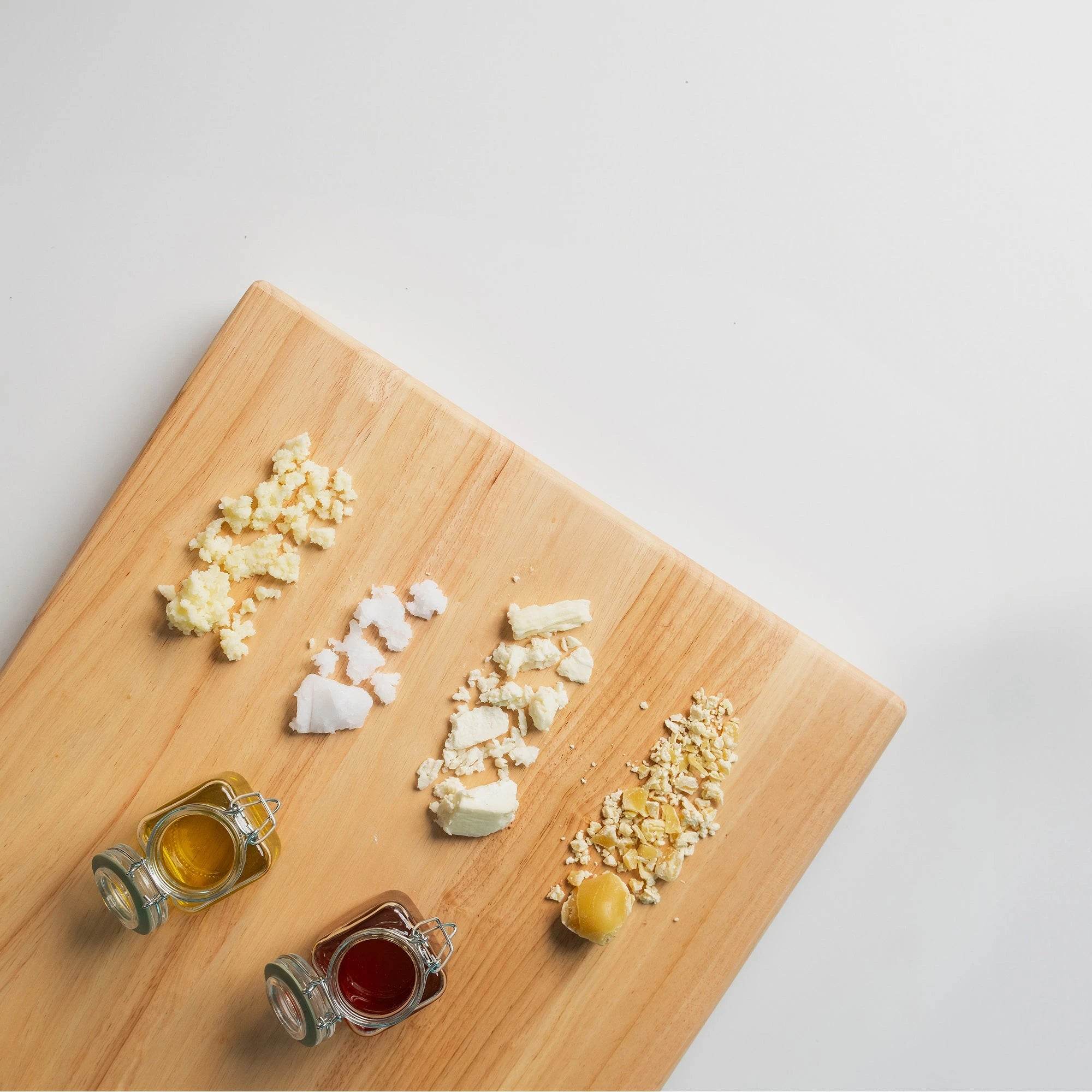
Our mission is to return to the raw, unprocessed power of nature. Every product is formulated with 100 % natural ingredients and no synthetic preservatives, fillers, or dyes. For example, the Raw Honey Butter contains whipped Wagyu beef tallow, cold‑pressed olive and coconut oils, mango butter, raw honey and beeswax – it moisturizes deeply and can even replace conventional lotion. The Raw Tallow Sunbalm uses grass‑fed tallow, non‑nano zinc oxide and organic oils to provide mineral sun protection while nourishing the skin. Our Protein Powder combines grass‑fed whey and hydrolyzed collagen with organic superfoods to deliver 26 g of easily digestible protein with zero added sugar. Across their range, Purishh keeps ingredient lists short and transparent, using only what is necessary to support health and well‑being.
Are PÜRISHH’s ingredients ethically and sustainably sourced?
Are PÜRISHH’s ingredients ethically and sustainably sourced?
Yes. The founders emphasize sustainable sourcing and ethical treatment of animals and land. Tallow for the skincare range is hand‑sourced from 100 % grass‑fed, Wagyu, halal cattle in New Zealand, ensuring humane slaughter and optimal nutrient quality. Olive and coconut oils are single‑origin, cold‑pressed. The whey in Purishh protein powder comes from grass‑fed cows raised without hormones or antibiotics, and the collagen is hydrolyzed for better absorption. These practices mean customers receive products that are both pure and sustainable.
Why does PÜRISHH use beef tallow in its skincare products?
Why does PÜRISHH use beef tallow in its skincare products?
Grass‑fed beef tallow is biocompatible with human skin; its fatty‑acid profile closely resembles natural sebum, so it’s absorbed efficiently. Properly rendered tallow is a vitamin powerhouse, naturally supplying vitamins A, D, E, and K that support cell turnover, immune function, and antioxidant protection. Tallow also contains oleic, stearic and palmitic acids that strengthen the skin’s barrier, calm inflammation and maintain moisture. Grass‑fed tallow offers a high concentration of conjugated linoleic acid (CLA), an anti‑inflammatory fatty acid. These nutrients collectively help Purishh’s Raw Honey Butter and Raw Tallow Sunbalm to moisturize, nourish and protect the skin without clogging pores or causing irritation.
How is PÜRISHH protein powder different, and why is it easy to digest?
How is PÜRISHH protein powder different, and why is it easy to digest?
Many conventional protein powders use cheap sources and add artificial thickeners or sweeteners that cause bloating and digestive discomfort. Purishh starts with grass‑fed whey processed via cold‑filtration, which preserves natural enzymes and bioactive peptides that aid digestion. It also adds hydrolyzed bovine collagen to support joints, skin and gut health. The powder uses organic monk fruit for sweetness and contains no carrageenan, gums, sucralose or artificial preservatives, so it mixes smoothly and is gentle on the stomach. Each serving provides 26 g of complete protein with only 1 g of fat and zero sugar, making it suitable for keto, gluten‑free and non‑GMO diets.
What are PÜRISHH Electrolytes, and how do they support hydration?
What are PÜRISHH Electrolytes, and how do they support hydration?
PÜRISHH’s Electrolytes formula offers clean hydration without the artificial colors and preservatives found in many sports drinks. Each serving includes over 800 mg of unrefined Himalayan salt, providing sodium and trace minerals, plus magnesium malate and potassium chloride. Organic fruit powders (raspberry or lemon‑lime) and monk fruit sweetener give a natural flavor without sugar. The formula helps replenish electrolytes lost through exercise, supports muscle function, and is keto‑friendly.
What is Raw Shilajit, and how should it be used?
What is Raw Shilajit, and how should it be used?
Raw Shilajit is a resin harvested from high‑altitude Himalayan rocks. It forms from decomposed plant material and is rich in minerals and fulvic acid. Traditionally used as an adaptogen, Shilajit helps boost energy, improve stamina and support overall health. Purishh provides 100 % pure Himalayan shilajit. Users typically dissolve a pea‑sized amount in warm water, tea or milk. Due to its potent minerals, start with a small dose and consult a healthcare professional if you have existing medical conditions.
What is the Ishh Leaky Gut Protocol?
What is the Ishh Leaky Gut Protocol?
The Ishh Leaky Gut Protocol is a step‑by‑step program designed to help restore gut health naturally. It includes dietary recommendations, lifestyle tips and natural supplements to support the intestinal lining. The protocol focuses on removing irritants, replenishing beneficial bacteria and repairing the gut barrier. It is not a medical treatment, so customers with chronic digestive issues should consult a healthcare professional before starting.
How should I store PÜRISHH products?
How should I store PÜRISHH products?
Store supplements and protein powders in a cool, dry place away from direct sunlight. Skincare products like Raw Honey Butter and Raw Tallow Sunbalm are natural and free from artificial stabilizers; keeping them at room temperature helps maintain texture. If you live in a hot climate, refrigerating tallow‑based balms can prevent melting. Always use clean hands or a spatula to avoid introducing bacteria.
When will my order ship, and how long will delivery take?
When will my order ship, and how long will delivery take?
We ask customers to allow 2–3 business days for processing and production before an order ships. Once dispatched, average transit times are 7–10 business days; however, natural disasters, holidays and weather can cause delays. Free standard shipping is offered on orders over US$150 (or equivalent), and shipping costs for smaller orders are calculated at checkout. PÜRISHH cannot guarantee exact delivery dates because delivery is ultimately the responsibility of the shipping carrier.
Can I subscribe and save on regular purchases?
Can I subscribe and save on regular purchases?
Yes. We offer a subscription program for most of our products. Subscribe and save up to 30 % OFF your first delivery. You can choose delivery intervals (e.g., monthly). Subscriptions auto‑renew, but you may skip or cancel at any time through your account.
Are PÜRISHH products allergen‑free or suitable for special diets?
Are PÜRISHH products allergen‑free or suitable for special diets?
PÜRISHH formulates products without common synthetic additives, but some items may contain potential allergens. The protein powder contains whey (a dairy product) and collagen derived from bovine sources; it is unsuitable for vegans or those with dairy allergies. The Electrolytes formula is gluten‑free, sugar‑free and keto‑friendly. Always review ingredient lists carefully and consult your healthcare provider if you have specific allergies or dietary restrictions.
Where are PÜRISHH products made?
Where are PÜRISHH products made?
PÜRISHH sources ingredients globally, such as New Zealand Wagyu tallow and Himalayan shilajit, but manufactures products in small batches under rigorous quality control. By keeping production small and hands‑on, PÜRISHH can maintain freshness and ensure every batch meets the highest standards.
PÜR Insights

Why Most "Hormone Balancing" Supplements Are Marketing
Why Most "Hormone Balancing" Supplements Are Marketing Walk through any supplement aisle or scroll for a few minutes and you'll find the same promise in a dozen forms. Hormone balance. Hormonal harmony. Support for "your cycle," "your adrenals," "your changing body." The packaging is usually calm and botanical. The claims are usually vague. That vagueness isn't an accident, and it's the most useful thing to understand about this category. "Hormone balance" sounds like a specific medical outcome, but it isn't one. It can't be measured, which means it can't be tested, which means a product promising it can never really be shown to fail. This post looks at why the phrase works so well as marketing, what happens when the most popular ingredients are tested against specific symptoms, and how to read these labels with a clearer eye. We're not naming any brands. The issue is the category and the language it runs on, not any one company. "Balance" describes something hormones don't do The first problem is conceptual. The idea of hormonal "balance" suggests a steady, correct level your body should sit at, which supplements can nudge you back toward. Healthy hormones don't work that way. They're supposed to move. Estrogen and progesterone rise and fall across the menstrual cycle in a predictable pattern. Cortisol follows a daily rhythm, peaking shortly after waking and falling through the day. Across the menopause transition, hormone levels fluctuate and then shift to a new pattern. We've covered several of these in earlier posts, including how estrogen changes the body's thirst threshold across the cycle and how SWAN, one of the largest studies of midlife women, tracked cognition through the transition. None of that is imbalance. It's normal physiology. So when a product promises to "balance" hormones, the obvious question is: balance them to what? There's no single target, and the product never says. That's what makes the phrase so commercially useful. It describes a vague sense of things being off, which almost everyone feels at some point, and offers to fix it without ever committing to a result anyone could check. Why the claims stay vague: the legal framework There's also a structural reason the language in this category is so soft, and it comes from how supplements are regulated in the United States. Under the Dietary Supplement Health and Education Act of 1994, supplements are regulated as a category of food rather than as drugs. They don't need FDA approval before going on sale, and the FDA doesn't evaluate whether they work. Manufacturers can make what are called structure/function claims, statements about how a product affects the body's normal structure or function, as long as they don't claim to diagnose, treat, cure, or prevent a disease. Products making these claims carry a standard disclaimer: "This statement has not been evaluated by the Food and Drug Administration. This product is not intended to diagnose, treat, cure, or prevent any disease." That line is worth reading slowly the next time you see it. It's the manufacturer telling you, in a legally required sentence, that no regulator has checked the claim above it. Phrases like "supports hormonal balance" sit comfortably inside this framework. They describe a function in general terms, avoid naming a disease, and don't need to be backed by the kind of trial a drug would need. That isn't illegal. It's how the system is designed. But it means the confidence of the wording tells you nothing about the strength of the evidence. The clearest example: "adrenal fatigue" If you want to see how a vague hormonal concept can support an entire product category without strong evidence behind it, "adrenal fatigue" is the clearest case. The idea is that chronic stress wears out the adrenal glands, leaving them unable to produce enough cortisol, which supposedly causes tiredness, brain fog, and low mood. A whole range of "adrenal support" supplements is sold on that premise. In 2016, Flavio Cadegiani and Claudio Kater of the Federal University of São Paulo set out to check whether the condition had any scientific basis. Their systematic review, published in BMC Endocrine Disorders, volume 16, article 48, searched PubMed, MEDLINE, and the Cochrane databases through April 2016. From 3,470 articles, 58 studies met their criteria, 33 in healthy people and 25 in people with symptoms. The tests used most often were awakening cortisol, the cortisol awakening response, and salivary cortisol rhythm. They found what they described as an almost systematic pattern of conflicting results across these studies, regardless of how well the tests were validated. Their conclusion was blunt: there is no substantiation that "adrenal fatigue" is an actual medical condition, and adrenal fatigue is still a myth. They also noted that no endocrinology society recognizes it, and that their findings corroborated an existing warning from the Endocrine Society. It's fair to add that some practitioners have pushed back, arguing that stress-related changes in cortisol patterns are worth studying in their own right. That's a reasonable research question. It's also a different claim from the one adrenal support supplements are typically sold on, which is that a recognizable condition exists and a product can fix it. Tiredness, poor concentration, and low mood are real and worth taking seriously. They just have many possible causes, several of which a doctor can actually test for. What happens when ingredients are tested against something specific The vague "balance" claim can't be tested. But many of the ingredients in these products can be, against specific symptoms. The most studied are those aimed at menopausal symptoms, particularly hot flushes, because that's a measurable outcome. Looking at how they perform is revealing. Black cohosh. Black cohosh is one of the most widely used herbs for menopausal symptoms. A Cochrane systematic review by Leach and Moore, published in 2012, pooled 16 randomized trials involving 2,027 women, who took an average of 40 milligrams a day for an average of 23 weeks. For hot flush frequency, there was no significant difference between black cohosh and placebo. The pooled difference was 0.07 flushes per day, with a 95 percent confidence interval of negative 0.43 to 0.56 and a p-value of 0.79, based on three trials with 393 women. There was also no significant difference in menopausal symptom scores. Evidence on safety was inconclusive because of poor reporting. The reviewers concluded there was insufficient evidence to support the use of black cohosh for menopausal symptoms, while noting that the uncertain quality of most studies meant further research was warranted. The NIH Office of Dietary Supplements summarizes the review as finding insufficient evidence to either support or oppose its use. It would be unfair to stop there, because other analyses disagree. The Merck Manual describes the evidence on black cohosh as conflicting. It notes a network meta-analysis that found black cohosh reduced vasomotor symptoms compared with placebo, though less effectively than hormonal treatments, and a later meta-analysis of 22 randomized trials with 2,310 women reporting improvements in overall menopausal symptoms, hot flushes, and physical symptoms, but not in depressive or anxiety symptoms. So black cohosh isn't a clean failure. It's an ingredient that has been studied a great deal and still sits at "conflicting," depending on which extract and which analysis you look at. That's a long way from the confidence on the label. Phytoestrogens. Plant compounds with weak estrogen-like activity, found in soy and red clover among other sources, are the other big category. A Cochrane review by Lethaby and colleagues, published in 2013, included 43 randomized trials with 4,084 participants, covering dietary soy, soy extracts, red clover extracts, genistein extracts, and other phytoestrogens. The headline finding was that there was no conclusive evidence that phytoestrogen supplements reduce the frequency or severity of hot flushes and night sweats, with many trials small, short, and of questionable quality. Overall, there was no indication that most types of phytoestrogen worked better than no treatment. There was one specific exception. Four trials, not combined in a meta-analysis, suggested that extracts with high levels of genistein, above 30 milligrams a day, consistently reduced the frequency of hot flushes. The reviewers flagged this as needing further investigation. On safety, they found no evidence of estrogen-like stimulation of the womb lining or vagina, or other adverse effects, with use of up to two years. Notice how specific that one positive signal is: a particular compound, at a particular dose, for a particular symptom. That's the kind of claim that can be checked. "Supports hormonal balance" is not. Magnesium. We covered magnesium and hormonal change in detail in an earlier post. Briefly: a 2025 systematic review in Nutrition Reviews named magnesium among the interventions with insufficient evidence for psychological premenstrual symptoms, and the widely cited positive result for hot flashes came from a small pilot study that shrank in a larger placebo-controlled trial. The pattern across all three is consistent. When the best-known "hormone" ingredients are tested against specific, measurable symptoms, the results range from no effect to conflicting to a narrow signal at a specific dose. That's the honest ceiling of the evidence for the most-studied ingredients in the category. Many of the less-studied ingredients that appear in these blends have their own evidence bases, some better than others, and the right way to judge any of them is the same: against a specific symptom, at the dose that was actually tested. The hidden cost of a vague promise A supplement that doesn't work is a waste of money. A supplement with a vague hormonal promise can carry a less obvious cost. The symptoms these products target, such as tiredness, weight changes, mood shifts, irregular periods, and trouble sleeping, overlap with conditions that a doctor can actually diagnose, often with a straightforward blood test. Thyroid disorders are a common example. If a product reframes those symptoms as a vague "imbalance" that a capsule can address, it can make it easier to put off the appointment that would find the real cause. There's also a practical problem on the label itself. Many hormone-focused products are proprietary blends that list ingredients without disclosing how much of each is included. That makes it impossible to compare the product to the research. The one clear positive signal in the phytoestrogen review applied to genistein above 30 milligrams a day. If a label lists "soy isoflavone blend" without saying how much genistein is in it, you have no way of knowing whether you're anywhere near that threshold. How to read a "hormone" supplement label A few questions cut through most of the marketing in this category. What specific symptom is this for? "Balance," "harmony," and "support" aren't outcomes. If the product can't name what it's meant to change, there's nothing to evaluate. Which ingredient is supposed to do that, and at what dose? Look for single ingredients with disclosed amounts that you can match against published research. Proprietary blends with undisclosed amounts make this impossible. Does the claim rest on a recognized condition? Be wary of products built around concepts like "adrenal fatigue" that the relevant medical specialty doesn't recognize. Does it imply it can replace a diagnosis? If you have symptoms that are persistent or affecting your life, a product that offers to fix them without anyone working out the cause is skipping the most important step. Our own catalog isn't exempt It would be easy to write this post as if it only applied to other companies. It doesn't. We sell shilajit, and the main human evidence on its hormonal effects is a single small randomized trial in men aged 45 to 55, which is how we've described it when we've written about it. We sell a magnesium complex, and our own post on magnesium and hormonal change concluded that the evidence for hormone-specific benefits is weak, with sleep being the more defensible reason to take it. We don't sell anything marketed as a hormone-balancing product, and given everything above, we don't plan to. The standard we'd suggest applying to any brand, including us, is simple: a specific claim, about a specific ingredient, at a specific dose, backed by a specific study you can look up. What's actually worth doing If you're dealing with symptoms you think might be hormonal, a few steps are more useful than any product. See a doctor if symptoms are persistent, new, or affecting your daily life. Many of the conditions behind tiredness, weight changes, mood shifts, or cycle changes can be identified with standard tests, and identifying them is what makes effective treatment possible. For menopausal symptoms in particular, there are evidence-based options with far stronger research behind them than the supplements above. What's appropriate for you depends on your health history, so it's a conversation for a clinician rather than something to decide from a label or a blog post. And don't underestimate the basics. Sleep, stress, and physical activity affect how you feel through every hormonal stage, and they're the foundation that anything else builds on. The honest summary "Hormone balancing" is marketing language because it describes something hormones don't do. Healthy hormones are meant to fluctuate across the cycle, the day, and the decades, so a promise to "balance" them never has to say what the target is. US supplement law allows broad structure/function claims without FDA review, as long as products carry a disclaimer saying no regulator has evaluated them, and vague hormonal wording fits that framework easily. When the concept is tested directly, it often doesn't hold. A 2016 systematic review of 58 studies concluded that "adrenal fatigue" has no substantiation as a medical condition. When the most popular ingredients are tested against specific symptoms, the results are underwhelming: a 2012 Cochrane review found no significant difference between black cohosh and placebo for hot flushes, though other analyses are more positive and the overall evidence is best described as conflicting. A 2013 Cochrane review of 43 trials found no conclusive evidence that phytoestrogens reduce hot flushes, with one narrow exception for high-dose genistein above 30 milligrams a day. None of that means every ingredient in these products is useless. It means the useful questions are specific ones: which symptom, which ingredient, what dose, and what study. A label that can't answer them is selling a feeling, not a result.
Learn more
Skin Changes in Your 40s: What Nutrition Can and Can't Address
Skin Changes in Your 40s: What Nutrition Can and Can't Address Somewhere in your 40s, skin often starts behaving differently. It gets drier. It feels thinner. Lines that used to fade by lunchtime stay put. And right on cue, the marketing arrives: collagen powders, "beauty from within" capsules, antioxidant blends promising to turn back the clock from the inside. Some of that has a basis in real biology. A lot of it doesn't, and the research on this is unusually clear in places. The honest picture is that the biggest drivers of skin aging in this decade are hormonal change and sun exposure, and nutrition has limited reach over either. What diet can influence is real but narrower than the products suggest. This post separates the two, with the studies behind each claim. What's actually changing Two broad processes drive skin aging. Intrinsic aging is the internal, largely programmed part, which in women is heavily shaped by hormones. Extrinsic aging comes from outside, and the dominant factor there is ultraviolet light. The hormonal part. Estrogen supports the cells in the skin that make collagen, so when estrogen falls, collagen production falls with it. The most frequently cited data here comes from work by Brincat and colleagues in the 1980s. A 2007 review by Stevenson and Thornton in Clinical Interventions in Aging summarizes it: in postmenopausal women, skin thickness decreases by about 1.13 percent per postmenopausal year, with collagen content falling about 2 percent per postmenopausal year. The review also notes that collagen types I and III are thought to decrease by as much as 30 percent in the first five years after menopause. Two details in that summary matter. First, the decline in skin thickness and collagen appeared to track the length of estrogen deficiency more closely than chronological age. Two women of the same age can be in very different places depending on where they are in the menopause transition. Second, notice the phrasing: "thought to decrease by as much as." The 30 percent figure is now everywhere, sometimes under the name "collagen cliff," but it comes from small biopsy studies from several decades ago and is an upper estimate rather than a typical outcome. It's real research. It's also older and less precise than its popularity suggests. For most women, the 40s are the perimenopausal years, and menopause itself comes around age 51 on average. So the steepest part of this hormonal decline usually arrives a bit later. The 40s are when it starts. The sun part. This is where the strongest intervention evidence in the whole field sits, and it isn't a nutrient. The Nambour trial, published by Hughes, Williams, Baker, and Green in the Annals of Internal Medicine in 2013, volume 158, pages 781 to 790, randomized 903 adults younger than 55 in Nambour, Australia. Participants were assigned to daily or discretionary use of a broad-spectrum sunscreen, and separately to 30 milligrams of beta-carotene or a placebo. Assessors who didn't know who was in which group graded changes in skin microtopography over four and a half years. The daily sunscreen group showed no detectable increase in skin aging over that period. Skin aging was 24 percent less in the daily sunscreen group than in the discretionary group, with a relative odds of 0.76 and a 95 percent confidence interval of 0.59 to 0.98. The authors concluded that regular sunscreen use retards skin aging in healthy, middle-aged men and women. Hold onto the beta-carotene arm. We'll come back to it. What nutrition can't address This is the part most "beauty from within" marketing skips, so it's worth being direct about it. It can't replace estrogen. The collagen loss described above is driven by falling estrogen signalling to the cells that build collagen. No food or supplement replicates that signal. Eating well supports the raw materials your skin uses, but it doesn't restore the hormonal instruction to use them at the same rate. Hormone therapy is a separate medical decision with its own evidence and risks, and it belongs in a conversation with a clinician rather than a supplement brand's blog, so we're leaving it there. It can't undo sun damage, and the best trial on this says so. Back to Nambour. The same randomized trial that showed sunscreen working also tested a nutritional antioxidant against placebo. Beta-carotene supplementation had no overall effect on skin aging. The authors noted contrasting associations in subgroups with different levels of aging at the start, and said further study would be needed to definitively rule out either benefit or harm. But in a well-designed trial lasting four and a half years, the topical intervention worked and the nutritional one didn't. That's about as clean a comparison as this field offers. Collagen supplements: the evidence is weaker than it looks. Collagen powders are the most heavily marketed nutrition product for aging skin, and for a while the research seemed encouraging. Several meta-analyses pooled randomized trials and found improvements in skin hydration and elasticity. A 2023 meta-analysis of 26 randomized controlled trials, for example, concluded that hydrolyzed collagen can have positive effects on skin health, while calling for larger trials. Then a 2025 meta-analysis asked a question the earlier ones hadn't. Myung and Park, publishing in the American Journal of Medicine, volume 138, pages 1264 to 1277, analyzed 23 randomized trials with 1,474 participants, and the study itself received no funding. Pooling all 23, collagen supplements significantly improved skin hydration, elasticity, and wrinkles. But when the authors split the trials by funding source, the studies that did not receive funding from pharmaceutical or supplement companies showed no effect on hydration, elasticity, or wrinkles, while the funded studies did show significant effects. Splitting by methodological quality gave a similar picture: high-quality studies showed no significant effect in any category, while low-quality studies showed a significant improvement in elasticity. That's a striking result, and it's fair to report the response to it as well. Industry representatives pushed back, arguing that industry-funded studies aren't necessarily lower quality, and pointing out that most of the industry-funded trials in the analysis scored reasonably well on a standard quality scale. A 2026 narrative review in Applied Sciences took a middle position: it described collagen at 2.5 to 10 grams a day for at least 8 to 12 weeks as associated with improved hydration, elasticity, and wrinkle depth, while stating that results are inconsistent and that the effect is markedly weaker or not statistically significant in the highest-quality studies and those independent of industry support. The fair summary: the case for collagen supplements improving aging skin is real enough to have been studied seriously, and fragile enough that it largely disappears when you look only at the strongest and most independent trials. We should be upfront about why this matters to us. Our protein blend is majority hydrolyzed collagen. Given this evidence, we're not going to tell you it will reverse skin aging. If you take it, take it as a protein source, not as a wrinkle treatment. What nutrition can plausibly influence None of this means diet is irrelevant to skin. It means the realistic claims are more modest and more general than a single product can offer. Overall dietary pattern shows up in the data. The most relevant study for this age group comes from Cosgrove and colleagues, published in the American Journal of Clinical Nutrition in 2007, volume 86, pages 1225 to 1231. Using data from the first National Health and Nutrition Examination Survey, they examined 4,025 women aged 40 to 74. Nutrient intake was estimated from 24-hour recall, and dermatologists examined each woman's skin for wrinkled appearance, age-related dryness, and skin thinning. Higher intakes of vitamin C and linoleic acid, and lower intakes of fat and carbohydrate, were associated with better skin-aging appearance, independent of other factors known to affect skin aging. A 50-gram increase in carbohydrate intake was associated with higher odds of a wrinkled appearance, with an odds ratio of 1.36. Higher fat intake was also associated with greater likelihood of a wrinkled appearance. Higher linoleic acid intake was associated with a lower likelihood of age-related dryness, with an odds ratio of 0.75, and with a lower likelihood of skin thinning. The caveats are important. This was a cross-sectional study, meaning it measured diet and skin at one point in time. It shows association, not cause. A single 24-hour diet recall is a rough snapshot of what someone usually eats. And women who eat more fruit and vegetables may differ in many other ways, such as sun habits, that the analysis may not fully capture. It's useful evidence that diet and skin appearance travel together. It isn't proof that changing one item on your plate will change your skin. Vitamin C is a genuine requirement. Vitamin C is a required cofactor for the enzymes that build and stabilize collagen. That's basic biochemistry, not marketing, and it's why severe deficiency affects skin and connective tissue. What it supports is getting enough. It doesn't mean that taking more than you need makes your skin build extra collagen, and there isn't good evidence that it does. For most people, a diet with regular fruit and vegetables covers it. Protein matters as a building block. Collagen is a protein, so skin needs adequate dietary protein to maintain it. In the Cosgrove data, women with a wrinkled appearance had lower protein intakes than women without one, though that's an unadjusted comparison and shouldn't be over-read. We've written about protein needs after 40 separately. The relevant point here is that getting enough protein overall supports skin as part of supporting the whole body. Linoleic acid is an essential fat with a skin role. Linoleic acid is an essential omega-6 fatty acid that the body uses in the lipids that make up the skin's barrier. Its association with less dryness in the Cosgrove study fits that role. It's found in many nuts, seeds, and plant oils. Again, the point is adequacy as part of a varied diet, not megadosing. Put simply, nutrition looks most useful for making sure your skin isn't short of what it needs. That's genuinely worth doing. It's also a different promise from reversing the changes driven by hormones and sun. Where topical care fits, including ours The changes people notice most in their 40s aren't all in the deeper layers of the skin. Dryness and a rougher surface happen at the outer barrier, and that's a place where what you put on your skin can make a measurable difference. We covered this in detail in our post on tallow balm and hydration. Moisturizers work by reducing water loss through the skin's surface, through occlusive and emollient effects. Tallow-based products sit in the emollient category, integrating into the outer layer's lipids and helping with dryness and texture. The honest limit is the same one that applies to collagen powders, from the other direction. A moisturizer, including ours, works on the surface. It can make dry skin feel and look better and support the outer barrier. It doesn't rebuild collagen in the deeper layers or reverse wrinkles caused by collagen loss. We'd rather you buy a balm for what it does than expect it to do something it can't. And for sun protection, use a tested, broad-spectrum sunscreen with an SPF rating and a Drug Facts label. Our Sun Balm is not one, and we've said so directly before. The Nambour results came from daily use of a proper broad-spectrum sunscreen, and that's the product category the evidence supports. What's actually worth doing Based on the research above, the priorities line up in a fairly clear order. Use a broad-spectrum sunscreen every day on exposed skin. It's the intervention with the strongest randomized evidence for slowing visible skin aging, and in the Nambour trial it outperformed the nutritional antioxidant tested alongside it. Eat a varied diet with enough vitamin C, protein, and essential fats. The evidence supports this as a way of not shortchanging your skin, consistent with what Cosgrove and colleagues found in women aged 40 to 74. Moisturize for dryness. It works at the surface, where a lot of what people notice in their 40s actually happens. Be skeptical of products promising to reverse skin aging from the inside. The best-known category, collagen supplements, shows effects that mostly vanish in the highest-quality and most independent trials. If you want to address changes that go deeper, a dermatologist can walk you through evidence-based topical treatments. Hormone-related questions belong with your doctor. The honest summary The skin changes many women notice in their 40s are driven largely by two things nutrition can't reverse. Falling estrogen reduces collagen production, with older biopsy studies estimating losses of about 2 percent per postmenopausal year and as much as 30 percent in the first five years after menopause. And sun exposure drives visible aging, which daily broad-spectrum sunscreen reduced by 24 percent in a randomized trial of 903 adults. That same trial found no overall effect from a beta-carotene supplement. A 2025 meta-analysis of 23 trials found that collagen supplements' apparent benefits for skin largely disappeared in high-quality studies and in studies not funded by industry, though the industry disputes that interpretation. What nutrition can do is narrower and still worthwhile: provide the vitamin C, protein, and essential fats skin needs, as part of an overall dietary pattern that, in a large study of middle-aged women, was associated with better skin-aging appearance. That's a smaller promise than most skin supplements make. It's also one the evidence actually supports.
Learn more
Creatine Myths That Keep Women From Trying It
Creatine Myths That Keep Women From Trying It Creatine is one of the most researched supplements in existence, and for most of its history it was marketed almost entirely to men. The tubs were black, the labels were loud, and the promise was size. So it's not surprising that when women ask about it, the questions tend to start from worry rather than curiosity. Will it make me bulky? Will I bloat? Is it basically a steroid? Will my hair fall out? Those are fair questions, and they deserve better answers than "trust me, it's fine." In 2021, eleven researchers, including Abbie Smith-Ryan, one of the leading investigators on creatine in women, published a review in the Journal of the International Society of Sports Nutrition specifically to address the most common questions and misconceptions about creatine. Antonio and colleagues, volume 18, article 13, worked through twelve of them, from water retention to whether creatine only works for men. A Part II followed at the end of 2024. This post takes the myths women raise most often and checks each one against the research, including the places where the evidence is thinner than it should be, or was gathered mostly in men. One note before starting. Many of the researchers who study creatine most closely have disclosed relationships with supplement companies, and that's worth keeping in mind. Where it's relevant below, we'll point it out. Where independent research reaches the same conclusion, we'll point that out too. Myth 1: "Creatine will make me bulky" This is the most common worry, and it rests on a misunderstanding of what creatine actually does. Creatine doesn't build muscle on its own. It increases the amount of phosphocreatine stored in your muscles, which helps regenerate energy quickly during short, hard efforts like a heavy set. That can let you train a little harder, and training is what builds muscle. Without a training stimulus, creatine has very little to work with. When researchers look at what creatine actually changes in women, the story is led by strength rather than size. A 2021 review by Smith-Ryan, Cabre, Eckerson, and Candow in Nutrients, volume 13, article 877, concluded that creatine supplementation appears effective for improving strength and exercise performance in pre-menopausal women. A 2025 narrative review by Smith-Ryan and colleagues in the Journal of the International Society of Sports Nutrition reported positive effects on muscle strength, exercise performance, and body composition, particularly alongside resistance training. In older adults, the numbers are even more telling. A three-level meta-analysis of creatine combined with resistance training found a significant improvement in muscle strength compared with training alone, with a Hedges' g of 0.31 and a 95 percent confidence interval of 0.18 to 0.45. For muscle mass, the result wasn't statistically significant, with a confidence interval running from negative 0.09 to 0.78. If there's a problem with creatine's effect on size in that research, it's that the effect is modest, not that it's excessive. The 2021 Antonio review also examined a related fear, whether creatine increases fat mass, and concluded it does not. Building noticeably bigger muscles takes years of deliberate, progressive training and eating to support it. Creatine can make that training slightly more productive. It doesn't change the timeline or the effort involved, and it won't do the work for you. Myth 2: "Creatine causes bloating and water weight" This one has a grain of truth in it, which is exactly why it persists. Creatine does draw water into muscle cells. That's part of how it works. The key word is into. This is water stored inside muscle tissue, not the puffy, under-the-skin fluid most people picture when they think of bloating. The 2021 Antonio review addressed water retention directly. Its summary was that while creatine can increase total body water in the short term, particularly during a high-dose loading phase, over longer periods it does not appear to change body water, inside or outside cells, relative to muscle mass. For women specifically, there's a trial designed around exactly this concern. Moore, Gordon, Cabre, Hackney, and Smith-Ryan published a randomized controlled trial in Nutrients in 2023, volume 15, article 429, examining changes in fluid distribution across the phases of the menstrual cycle with creatine supplementation. The finding, as the 2025 review summarized it, was that there was no demonstrated significant increase in body mass for women after creatine monohydrate supplementation in any phase of the menstrual cycle. That's one trial rather than a large body of replicated work, and individual responses vary. But it directly tested the fear in the right population, across the variable women worry about most, and it didn't find the effect. There's also a practical piece. Much of the early water shift, and most of the stomach discomfort people report, comes from loading, which typically means around 20 grams a day split into several doses for about a week. Loading isn't required. Starting at a standard 3 to 5 grams a day reaches the same saturation point, just more slowly, over roughly three to four weeks. If bloating is your main concern, skipping the loading phase is the simplest way to avoid most of what people complain about. Myth 3: "Creatine is basically a steroid" It isn't, and the difference isn't subtle. Creatine is a compound your body makes on its own, from three amino acids: arginine, glycine, and methionine. It's also in food, mainly meat and fish. About 95 percent of the creatine in your body sits in your skeletal muscles, where it's part of normal energy metabolism. Anabolic steroids are synthetic compounds derived from testosterone. They're a completely different class of molecule, with a completely different mechanism, acting on hormone receptors. The Antonio review lists "Is creatine an anabolic steroid?" among the misconceptions it examined, and the answer is no. The related worry, that creatine might disrupt your hormones, has been tested in men more than in women. A 12-week randomized controlled trial published in 2025, discussed in more detail below, found no significant differences between creatine and placebo in total testosterone, free testosterone, or dihydrotestosterone. The women's research runs in a different direction: the 2025 Smith-Ryan review describes how female hormones influence creatine metabolism, not the reverse. What's been measured doesn't support the idea that creatine meaningfully changes hormone levels, though it's fair to say the direct hormonal data in women is limited. Myth 4: "Creatine will make my hair fall out" This fear has a specific origin, and for a long time the evidence on it was surprisingly thin in both directions. It traces back to a small 2009 study in college-aged male rugby players, in which levels of dihydrotestosterone, or DHT, rose over three weeks of creatine supplementation. DHT is the hormone involved in pattern hair loss, so the connection got made quickly and repeated widely. What rarely got mentioned is that the study measured hormones, not hair. That gap was finally tested directly. A randomized controlled trial published in the Journal of the International Society of Sports Nutrition in 2025, titled "Does creatine cause hair loss? A 12-week randomized controlled trial," recruited 45 resistance-trained men aged 18 to 40. They took either 5 grams of creatine monohydrate or 5 grams of a maltodextrin placebo daily for 12 weeks, and 38 completed the study. The researchers measured total testosterone, free testosterone, and DHT, and assessed hair follicle health using a Trichogram and the FotoFinder system, which measure hair density, follicular unit count, and cumulative hair thickness. There were no significant differences between the creatine and placebo groups in DHT levels, the DHT-to-testosterone ratio, or any of the hair measures. The authors described it as the first study to directly assess hair follicle health after creatine supplementation, and as strong evidence against the claim that creatine contributes to hair loss. Two honest caveats. First, the trial was in young men, not women, and no equivalent trial has been done in women yet. Second, several of the authors disclosed industry relationships, including advisory roles with creatine brands. That doesn't make the result wrong, and it lines up with earlier research finding no consistent rise in testosterone with creatine, but it's worth knowing. If you're noticing hair thinning, it has a range of possible causes in women and is worth having a dermatologist look at directly, rather than attributing it to, or ruling it out based on, any single supplement. Myth 5: "Creatine will dehydrate me and give me cramps" This myth was common enough in sports that it drew several dedicated reviews, and they're consistent. A systematic review with meta-analyses by Lopez, Casa, McDermott, Ganio, Armstrong, and Maresh, published in the Journal of Athletic Training in 2009, volume 44, pages 215 to 223, looked specifically at whether creatine hinders heat tolerance or hydration during exercise. None of the included studies showed adverse creatine-induced changes in thermoregulation, percentage of dehydration, urinary hydration measures, or plasma volume. On body temperature, the pooled effect estimate was 0.03, with a 95 percent confidence interval of negative 0.07 to 0.13, meaning no meaningful difference. Controlled trials of athletes exercising in the heat found no adverse effects from creatine at recommended doses. A 2008 review by Dalbo and colleagues in the British Journal of Sports Medicine was titled, fairly bluntly, "Putting to rest the myth of creatine supplementation leading to muscle cramps and dehydration." A 2003 study by Greenwood and colleagues in college football players reported that creatine supplementation during training did not increase the incidence of cramping or injury. The honest limitation is that much of this research was done in athletes, many of them men. The findings are consistent, but they come largely from that population. Myth 6: "Creatine is hard on your kidneys" We've covered this one in detail before, so this is the short version. The International Society of Sports Nutrition's 2017 position stand, by Kreider and colleagues, found no adverse effects on kidney function in healthy adults at recommended doses, and the 2021 Antonio review addressed kidney concerns among its misconceptions. A 2026 structured review in the journal Sports, analyzing randomized controlled trials, was titled "Creatine Supplementation Dose and Duration Are Not Associated with Increased Side Effects." Where the confusion comes from is a blood test. Creatine raises serum creatinine, a waste product that doctors use as a marker of kidney function. In someone taking creatine, a higher creatinine reading reflects the supplement itself rather than kidney damage. If you have bloodwork done, tell your doctor you take creatine so the result gets read correctly. The genuine exception: if you have existing kidney disease, talk to your physician before starting. That's standard guidance for that group, not a general warning. Myth 7: "Creatine is for men" Historically, the research was mostly in men, and that's where this impression comes from. It's changing. "Is creatine only effective for males?" is one of the twelve questions in the 2021 Antonio review, and the review's answer is no. The 2021 Smith-Ryan review and the 2025 review that followed it both report benefits in women for strength, exercise performance, and body composition, especially alongside resistance training. The 2021 review also found that post-menopausal women may see benefits for muscle size and function at higher doses. There are also genuine gaps. The 2025 review notes that data in perimenopausal women remains limited. And the 2021 review states plainly that there are no human studies to date evaluating creatine supplementation during pregnancy. If you're pregnant, trying to become pregnant, or breastfeeding, that's a conversation for your obstetric provider rather than something to decide from a blog post, including this one. What the myths leave out Clearing up the myths doesn't mean there's nothing to think about. The real considerations are just different from the ones people usually worry about. Pregnancy is a genuine gap in the research, as above. Existing kidney disease warrants a conversation with a physician. And expectations matter. The evidence supports creatine as a modest, useful addition to resistance training, particularly for strength. It isn't a shortcut, and people who take it without training usually notice very little. If you do decide to try it, the approach with the most evidence behind it is simple: creatine monohydrate, 3 to 5 grams a day, taken consistently, with no loading phase required. Timing doesn't matter much. Consistency does. We sell creatine monohydrate, and our current batch tested at 4,976 milligrams against a 5,000 milligram label claim. That's the kind of number worth asking any brand for. The honest summary The myths that keep women away from creatine mostly don't survive contact with the research. It doesn't make you bulky on its own: the benefits in women are led by strength, and in older adults the effect on muscle mass wasn't even statistically significant. The bloating fear is mostly about water stored inside muscle, and a 2023 randomized trial found no significant increase in body mass in women across any phase of the menstrual cycle. It isn't a steroid, and the hormonal data available, mostly in men, shows no meaningful effect. The first trial to directly measure hair follicles after creatine, published in 2025, found no effect on hair or DHT, though it was in young men and its authors disclosed industry ties. Reviews spanning more than a decade have found no increase in dehydration or cramping. And the kidney concern is largely a misread blood marker in healthy people. What's genuinely unresolved is narrower: no pregnancy trials, limited perimenopause data, and hair research that hasn't yet been done in women. That's a short list, and it's a much more useful one than the fears it replaces.
Learn more